Spring Gnome Embroidery: Woodland Whimsy with Real-World Application
First Impressions: A Cozy Touch of Spring in Stitch Form
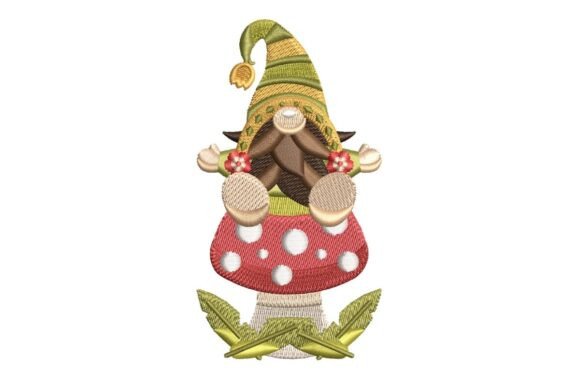
When I first opened the embroidery file for Spring Gnome Embroidery, I was struck by how instantly charming it felt. The design blends a gentle woodland aesthetic with seasonal cheer, making it a natural fit for spring-themed projects. The gnome itself is depicted with a soft, rounded silhouette—think cozy boots, a pointy hat, and a basket of embroidered flowers. It's not overly detailed, which helps maintain clarity across different fabric types and sizes. The mood is whimsical but not kitschy, and there's a subtle storytelling quality in the layout that makes it feel like it belongs in a curated collection of nature-inspired designs.
Real-World Use: From Tea Towels to Custom Sweatshirts
I decided to test this design on a few different materials to see how it would translate beyond the screen. My first test was on a cotton tea towel, a classic use case for seasonal embroidery. The gnome stitched cleanly, with just the right amount of satin and fill stitches to give it dimension without overwhelming the fabric. Next, I tried it on a heavier sweatshirt material. The design held up well, especially in the hat and basket details. The stitch density seemed balanced—no puckering or distortion even after washing.
For a small business angle, I can easily see this design working well on boutique-style baby clothes or personalized tote bags. It has a softness that appeals to gift buyers, especially around Easter or Mother’s Day. As a digital embroidery file, it's versatile enough to be scaled for different hoop sizes, though I’d recommend checking the smallest details before going too small. It also worked surprisingly well as a patch design when stitched on felt and trimmed carefully.
Where to Use with Caution: Fabric, Fit, and Finishing Factors
While Spring Gnome Embroidery performed admirably on cotton and fleece, I noticed some limitations when testing on stretchy knit fabric. The gnome’s facial features and small flower accents became slightly distorted during stitching, especially around the eyes and hat trim. This suggests it might not be ideal for t-shirts unless you use a quality stabilizer and possibly reduce the hoop tension slightly.
Dark fabrics also posed a challenge. The thread color contrast wasn’t as strong as I’d hoped, and some of the lighter details in the gnome’s face got lost against black or navy backgrounds. It’s worth testing with alternate thread combinations or adding a light underlay if you're planning to use it on darker materials.
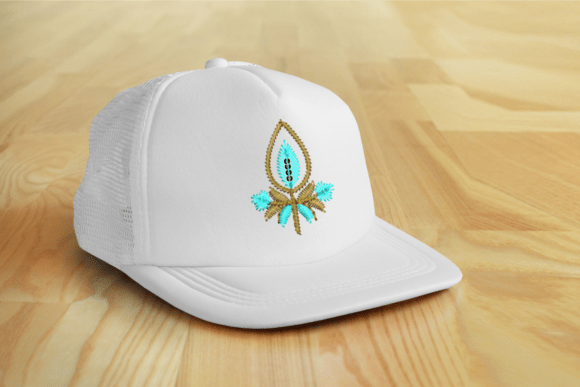
Another point to consider is the design’s use in curved surfaces like caps. The gnome’s posture and orientation make it better suited for flat or slightly curved areas rather than the full curve of a baseball cap. You could modify the layout or reposition elements for better fit, but out of the box, it's best used on more forgiving surfaces like aprons or pillow covers.
Visual Impact: How It Elevates Your Finished Products
One of the most important factors for any embroidery design—especially for sellers—is how it affects perceived value and customer engagement. Spring Gnome Embroidery definitely scores high in the “aww factor.” It adds a handmade, boutique feel to items like nursery decor, personalized baby gifts, and seasonal apparel. The theme is specific enough to feel timely but not so narrow that it becomes obsolete after a few weeks.
From a branding perspective, this design could help small craft businesses and Etsy sellers stand out with a cohesive, themed product line. Whether you're creating a set of embroidered kitchen linens or a collection of spring-themed baby onesies, the gnome design ties things together with a consistent visual identity. It also lends itself well to printable mockups, which is a big plus for digital product sellers looking to showcase their work professionally.
Design Notes for Embroidery Professionals and Hobbyists
- Always test the design on scrap fabric before committing to your final product, especially if using stretchy or textured materials.
- Review thread color contrast closely—some details may get lost on dark fabrics or with low-contrast thread choices.
- Check stitch density to avoid puckering on lightweight or delicate fabrics.
- Confirm hoop size compatibility, especially if you're working with smaller machines or limited hoop space.
- Inspect small details like facial features or flower outlines to ensure they stitch cleanly at your intended size.
- Test the design in black and white mockups to see how it reads without color.
- Use the appropriate stabilizer based on your fabric type—especially important for stretchy or woven materials.
- Verify licensing terms before using the design in commercial embroidery or digital product bundles.
Final Thoughts: A Versatile Design for Seasonal and Gift Projects
As an embroidery designer and product reviewer, I found Spring Gnome Embroidery to be a thoughtful, well-balanced design that works well across a range of real-world applications. It’s not just a seasonal decoration—it’s a functional asset for small craft businesses, Etsy sellers, and custom apparel decorators who want to add a touch of nature-inspired charm to their offerings.
Its flexibility in fabric types and product types makes it a solid choice for both personal and commercial embroidery projects, though it does require a bit of attention to detail when working with tricky materials. If you're looking for a machine embroidery design that brings a sense of warmth and whimsy to your handmade products, this one is definitely worth considering.