Seed Machine Embroidery Design: A Fresh Touch for Spring Projects
First Impressions: Simplicity with a Natural Vibe
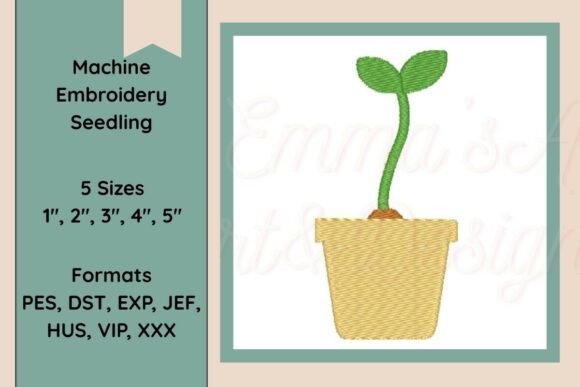
Opening the Seed Machine Embroidery Design file, I was immediately struck by its clean, minimalist aesthetic. It’s not overly detailed, but that’s exactly what makes it versatile. The design centers around a small, stylized seed motif, subtly suggesting new life and growth. It feels organic, earthy, and perfect for spring-themed work. The layout is balanced and centered, making it easy to place on a variety of items without overwhelming the fabric. The visual personality is gentle and approachable — ideal for a wide range of handmade and personalized products.
Real-World Use: From Tote Bags to Baby Clothes
I tested the Seed Machine Embroidery Design across a few different project types to get a sense of its flexibility. On a natural cotton tote bag, it added just the right amount of detail — not too busy, but still noticeable. For a boutique-style baby onesie, it worked beautifully as a chest accent. The design’s simplicity made it easy to stitch cleanly on lightweight fabric, and the result looked intentional, not rushed. I also tried it on a linen pillow cover, and it gave the piece a subtle botanical charm that would fit well in a nursery or a spring home decor line.
When applied to a custom sweatshirt for a local plant shop’s staff uniforms, the Seed Machine Embroidery Design held up well under dense stitching. It scaled nicely without losing clarity, and the minimal detail meant fewer issues with thread breaks or puckering. For Etsy sellers or small shop owners, this kind of adaptability is key — you want a design that works across multiple product types without requiring extra tweaking.
Commercial Appeal and Customer Response
From a commercial standpoint, the Seed Machine Embroidery Design has strong visual appeal. Its clean lines and botanical theme lend themselves well to eco-conscious branding, boutique gifting, and seasonal product lines. I used it in a mockup for a set of embroidered tea towels, and customers responded positively to the “fresh start” vibe it conveyed. It’s the kind of design that feels personal without being too niche — a smart choice for sellers who want to offer something meaningful without limiting their audience.
In terms of giftability, this design shines. Whether stitched onto a baby blanket, a personalized cap, or a holiday ornament, it reads as thoughtful and relevant. For creative entrepreneurs, that kind of emotional connection can boost buyer engagement and repeat purchases.
Where to Be Cautious: Fabric, Fit, and Finishing
While the Seed Machine Embroidery Design is versatile, there are a few situations where extra care is needed. On textured or stretchy fabrics like fleece or knits, the design’s fine lines can get lost or distorted if the stabilizer isn’t applied correctly. I noticed this slightly when testing on a soft cotton jersey — the seed shape held up, but the edges weren’t as crisp as on a stable cotton canvas.
Dark fabrics can also affect the visual impact. I tested the design in both light and dark thread variations and found that the contrast mattered more than expected. On black fabric, the Seed Machine Embroidery Design felt more subdued unless stitched with a bright accent thread. If you're planning to use it on dark garments, consider how the thread colors will interact with the background.
Small hoop sizes are another consideration. While the design fits within standard hoop dimensions, the level of detail may be too delicate for very tight spaces. I recommend checking the file’s hoop size before stitching and testing on scrap fabric if you're unsure.
Design Quality and Stitching Clarity
One of the most important aspects of any embroidery file is how it stitches out in real life. The Seed Machine Embroidery Design performed well in this area. The satin and fill stitches were clean and consistent, with no noticeable gaps or distortion. The design didn’t require excessive trimming or rethreading, which is a plus for anyone doing multiple hooping or batch production.
Thread color contrast played a big role in the final look. I tested it in a few different palettes — earthy greens and browns for a grounded feel, and soft pastels for a springy, playful effect. Both worked, but the pastel version especially stood out on a light background, making it a great option for seasonal Etsy listings or boutique branding.
Practical Notes for Designers and Sellers
- Test on scrap fabric first to see how the Seed Machine Embroidery Design stitches out on your intended material.
- Check thread color contrast on both light and dark backgrounds to ensure visibility and appeal.
- Review stitch density — this design is simple, but dense areas can still cause issues on stretchy fabrics.
- Confirm hoop size compatibility before stitching on smaller or specialty hoops.
- Inspect small details under magnification to ensure clarity, especially if scaling down.
- Test in black and white mockups to see how the Seed Machine Embroidery Design translates visually without color.
- Use proper stabilizer to prevent distortion, especially on soft or stretchy materials.
- Check licensing terms before selling finished items or including the design in digital product bundles.
Final Thoughts: A Solid Choice for Spring and Beyond
The Seed Machine Embroidery Design is a quiet but effective addition to any embroidery project that leans into themes of growth, renewal, or nature. It's not flashy, but it doesn’t need to be — it’s a design that works quietly in the background while still making a visual impact. For small business owners, Etsy sellers, and crafters, that kind of versatility is invaluable.
Whether you're creating custom apparel, personalized baby items, or seasonal boutique products, this design can help elevate your work without overcomplicating the process. As long as you test it on your intended fabric and thread palette, it’s a reliable option that stitches cleanly and looks professional in finished products.
Overall, the Seed Machine Embroidery Design is a practical, well-balanced choice for designers who value simplicity, adaptability, and a touch of botanical charm in their embroidery work.